Our Services
DreamVibe
DreamVibe
An era where even 8-year-olds code with AI
The Shift in the Software Development Paradigm
0%
50%
100%
150%
200%
250%
Traditional Coding
Libraries
Cloud/Frameworks
MSA/API-Centric
Code-Generating AI
Generative AI
Vibe Coding (AI + Human)
Software development centered on writing code is evolving into a form of development built on collaboration with AI,
which means AI is no longer just a tool but a shift in the development paradigm.
The Productivity of AI-Native Companies
Companies that put AI at the center are proving what is possible with productivity beyond imagination.
30 people
Telegram headcount
$33M+
Annual revenue per employee (USD)
KRW 48.3 billion
Annual revenue per employee (KRW)
100×
Productivity vs. typical companies
Annual Revenue of Leading AI-Native Companies
Telegram
Midjourney
Replicate
Wormhole
Stability AI
Productivity Comparison: Typical Companies vs. AI-Native Companies
100x Difference in Revenue per Employee
AI-native companies that use AI across the board record an average of KRW 48.3 billion in revenue per employee, a productivity gap of up to 100x compared with typical companies. More and more of them are reaching over KRW 33 trillion in annual revenue with teams of fewer than 30 people.
A Revolution in Development Speed
AI-native companies such as Telegram and Midjourney generate more than $11 million in annual revenue per employee and ship products over 5x faster than traditional companies. AI-powered development environments have a direct impact on development productivity and business results.
At a time when companies that have fully adopted AI are achieving overwhelming results,
using AI in software development is no longer a choice but a necessity.
The Challenges of Adopting AI Development
Building an AI development environment remains a major challenge for many companies
The Cost of High-Performance Hardware
Setting up the high-performance GPU servers and development environment required for AI development costs an average of over KRW 20 million up front. For SMEs and startups, that is a heavy burden.
Failures Caused by a Lack of AI Infrastructure
43% of Korean startups have failed at AI adoption because they lacked adequate AI infrastructure. Technical difficulty and a shortage of specialized talent are cited as the main causes.
Difficulty Securing Specialized Talent
The supply of professionals who can build and operate AI development environments falls short of demand. Rising labor costs and the struggle to secure the right talent have become major challenges for companies.
Ongoing Maintenance Costs
Even after it is built, an AI development environment incurs ongoing costs of roughly 30% of the initial setup cost every year for software updates, hardware maintenance, security management, and more.
Born to solve the challenges companies face in adopting AI, that is DreamVibe.
It delivers a complete solution that lets you start AI development easily, without the burden of up-front setup costs, a shortage of specialized talent, or complex infrastructure builds.
What is DreamVibe?
What the service includes
DreamVibe delivers the following services for building your AI development environment.
① End-to-end AI development environment
From requirements analysis to code generation, we support EventStorming-based domain design and a real-time collaborative development environment.
② Expert technical support
From AI environment setup to LLM tuning and framework configuration, seasoned experts resolve issues fast through remote support over Zoom and Slack.
③ AI-driven requirements engineering training
We provide structured training in the requirements engineering skills the AI era demands — AI collaboration strategy, exploratory requirements engineering practices, and how to apply AI tools at every stage of the SDLC.
④ Tailored environment configuration
We optimize hardware and frameworks to match the scale and requirements of your project.
End-to-End AI Development Environment
Built on the Biz-Dev-Ops process, AI supports the entire journey — analysis, design, development, and deployment/operations.
Business analysis grounded in DDD and EventStorming, MDD-based development, and DevOps-based operations support come together in one integrated offering.
Analysis Stage
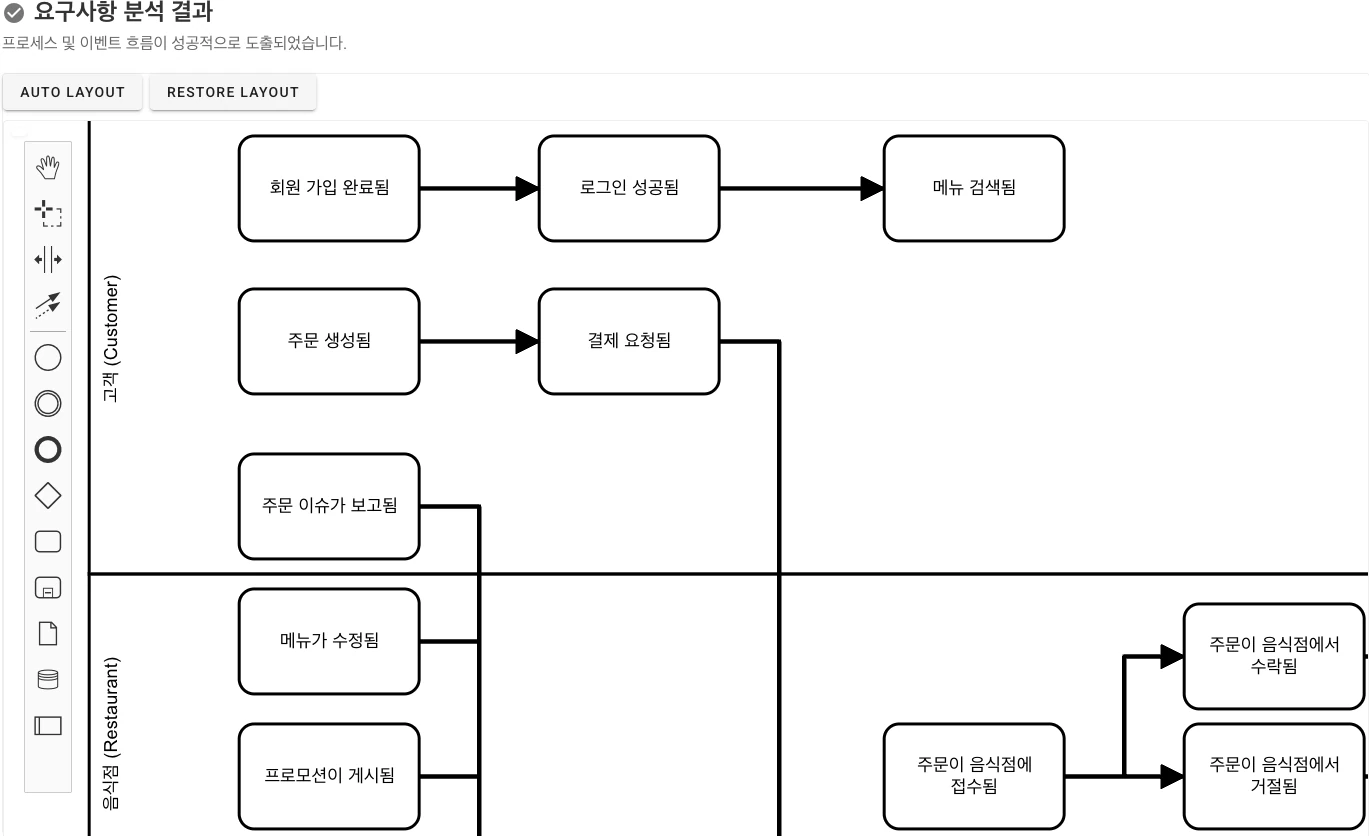
Value Stream Analysis
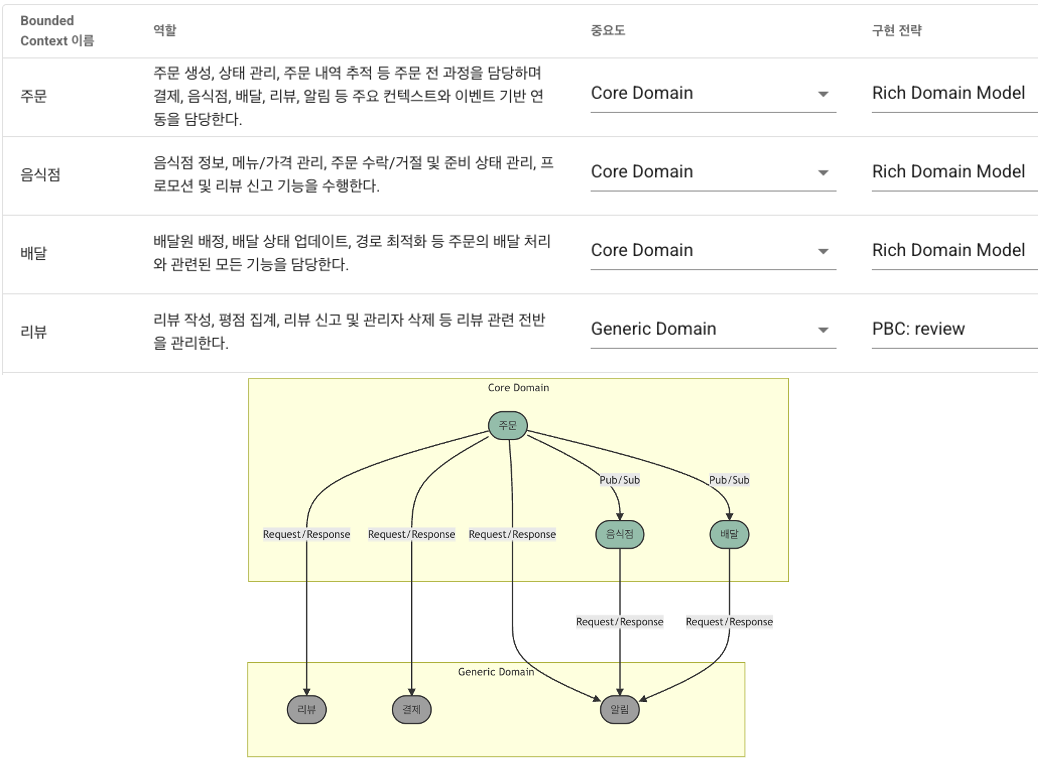
Automated Bounded Context
Separation
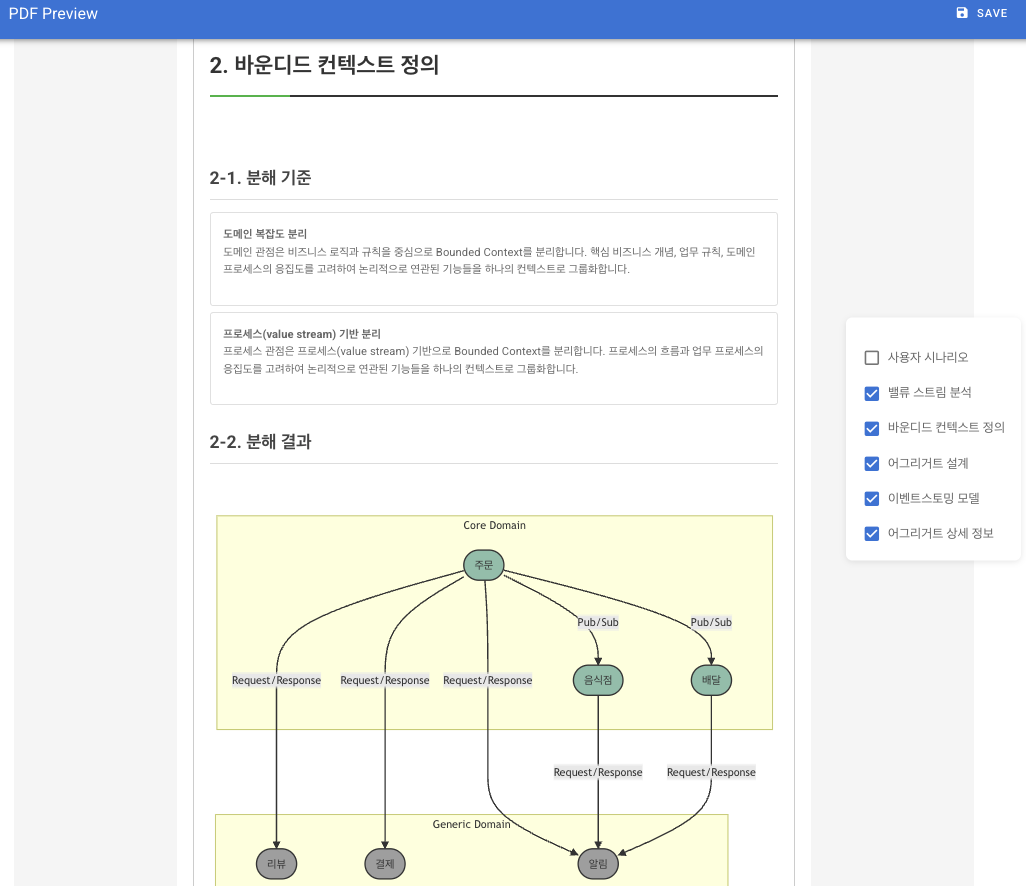
Automated Deliverable Generation
Design Stage
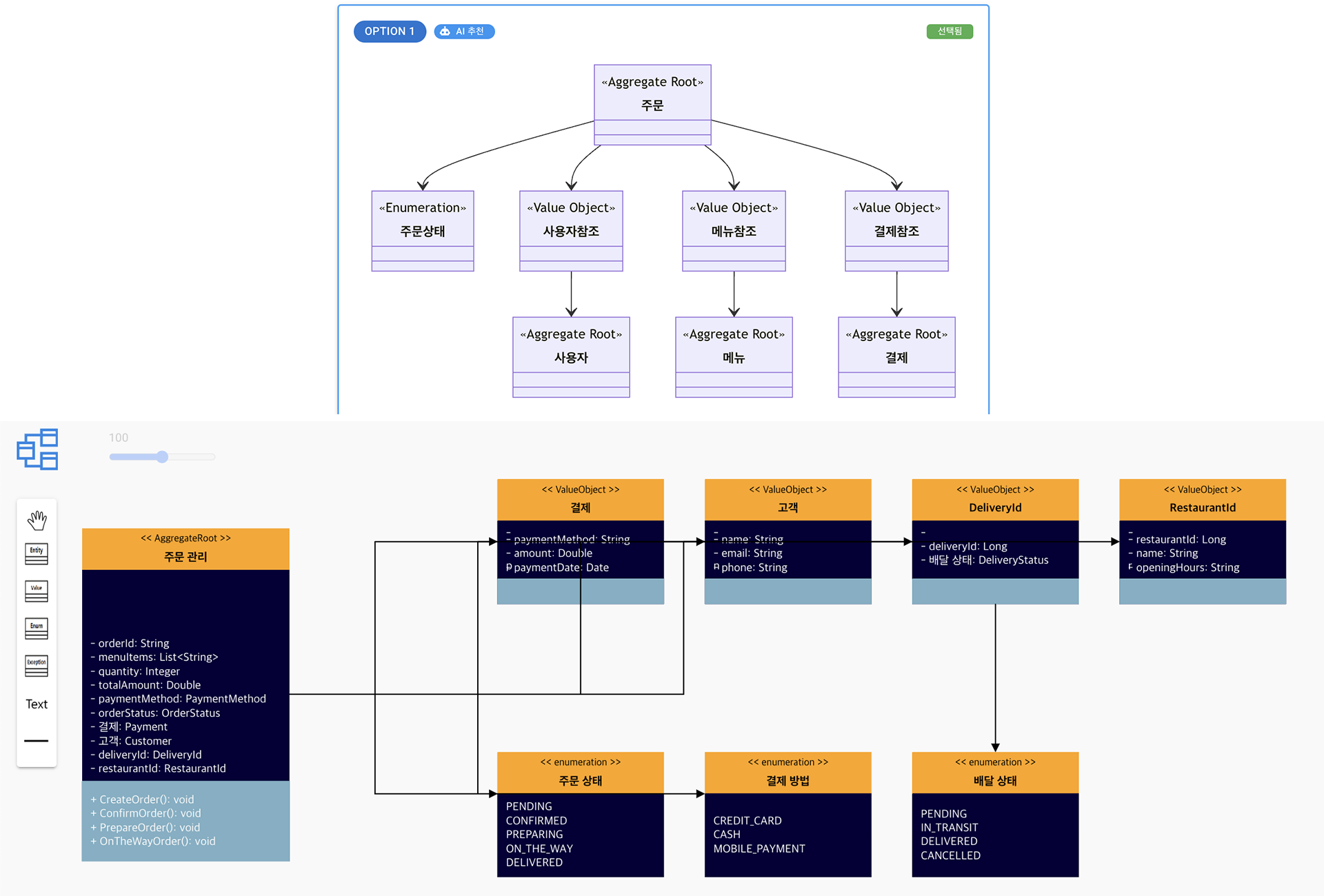
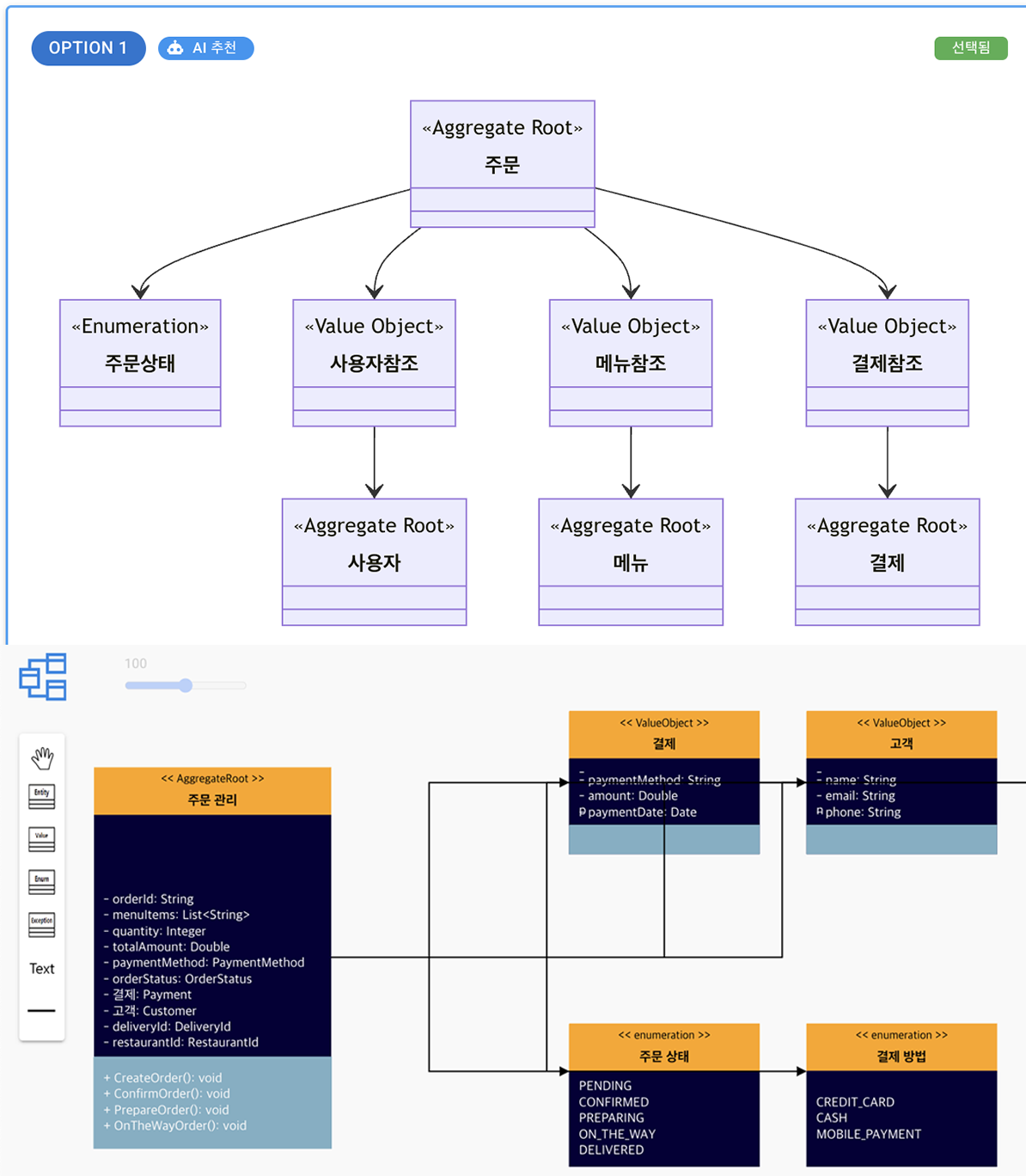
Detailed Domain Model Design
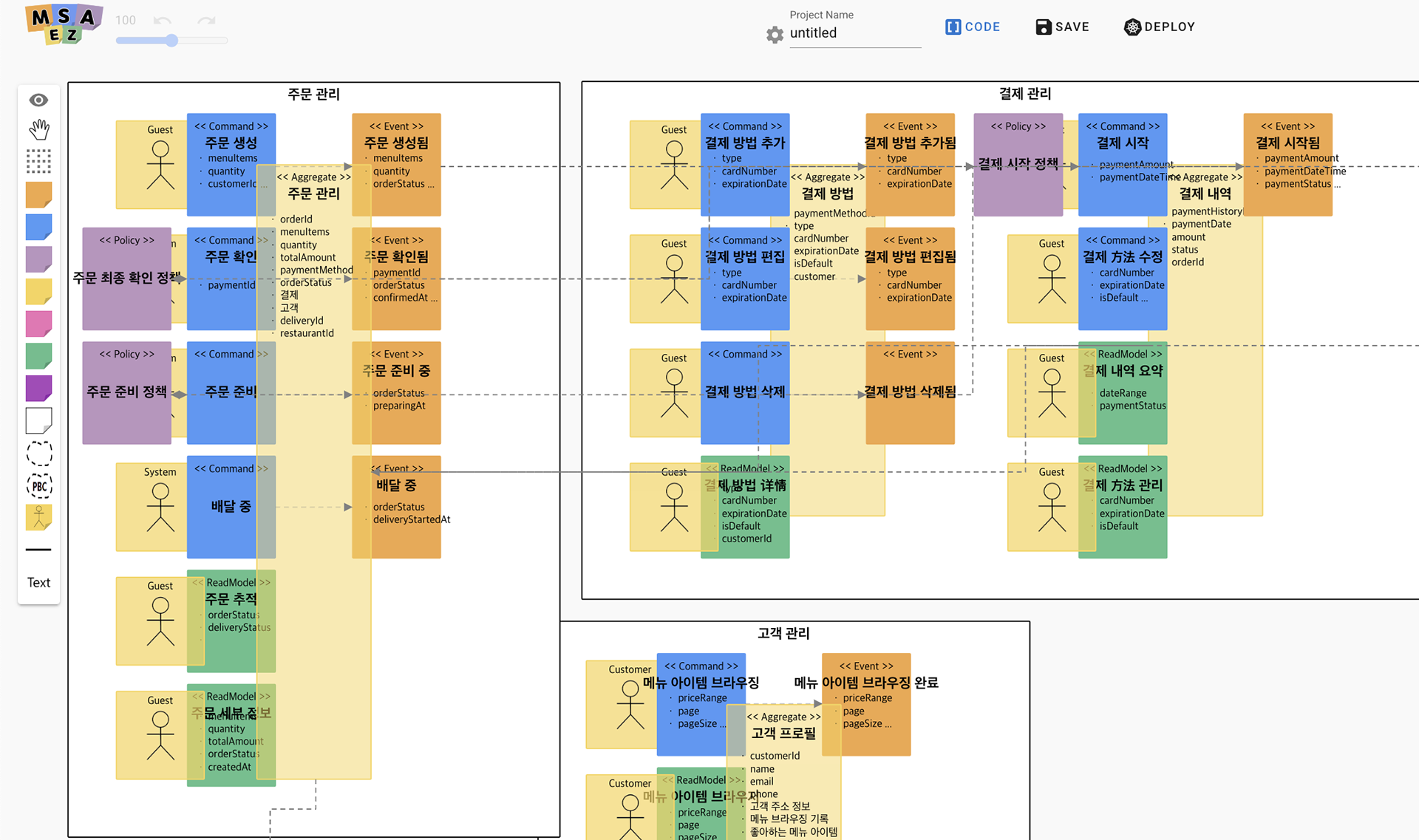
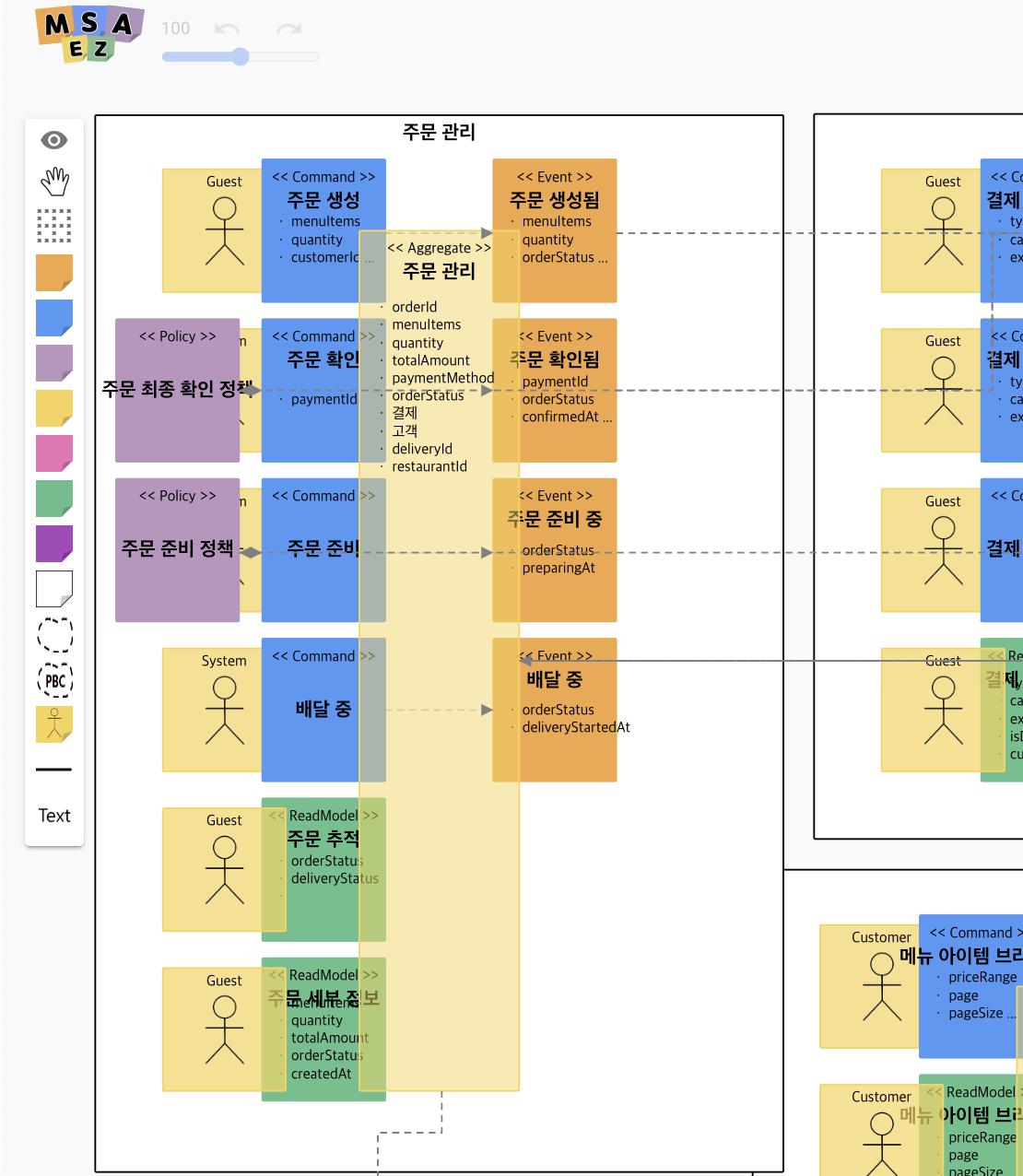
Automated EventStorming Design
Implementation Stage
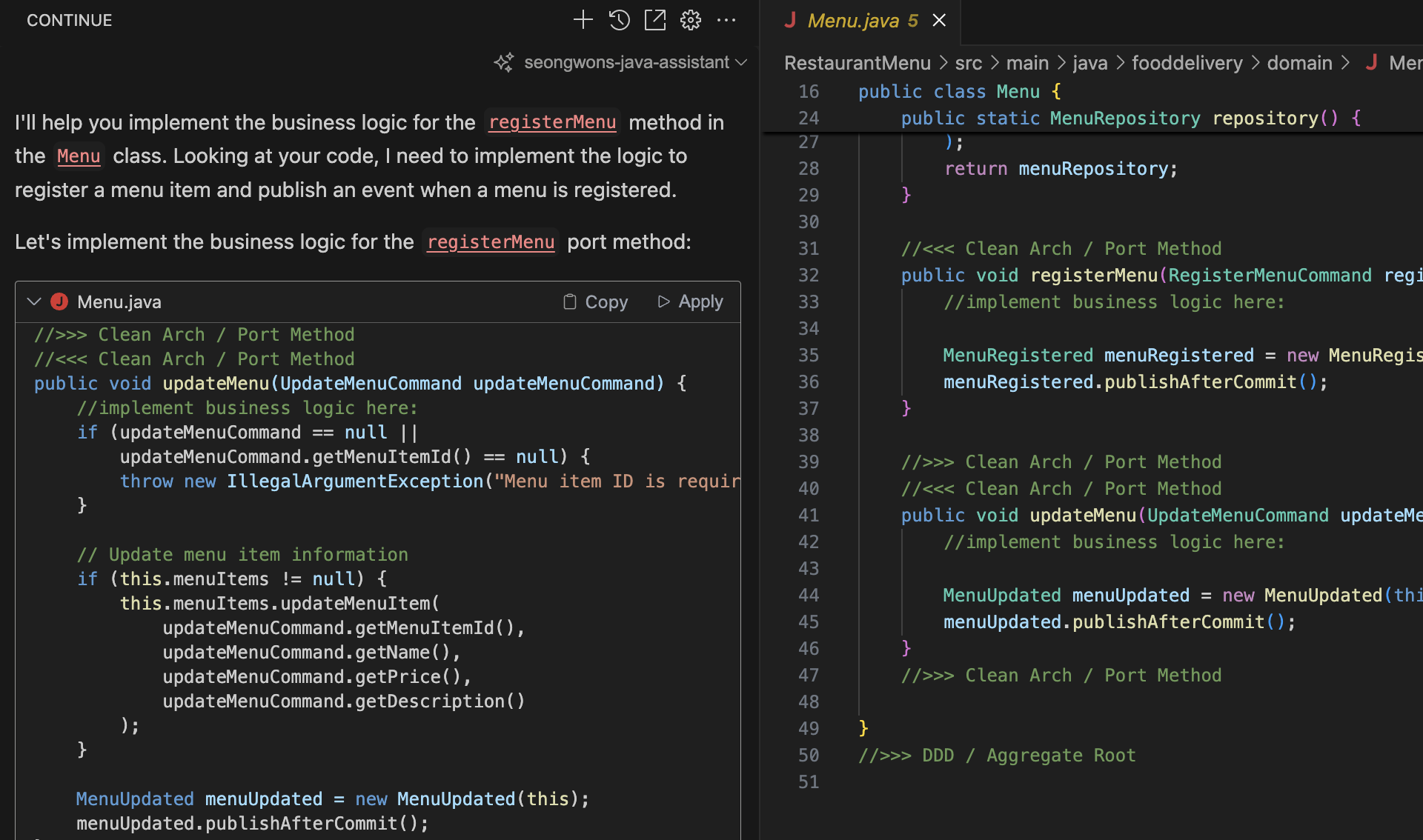
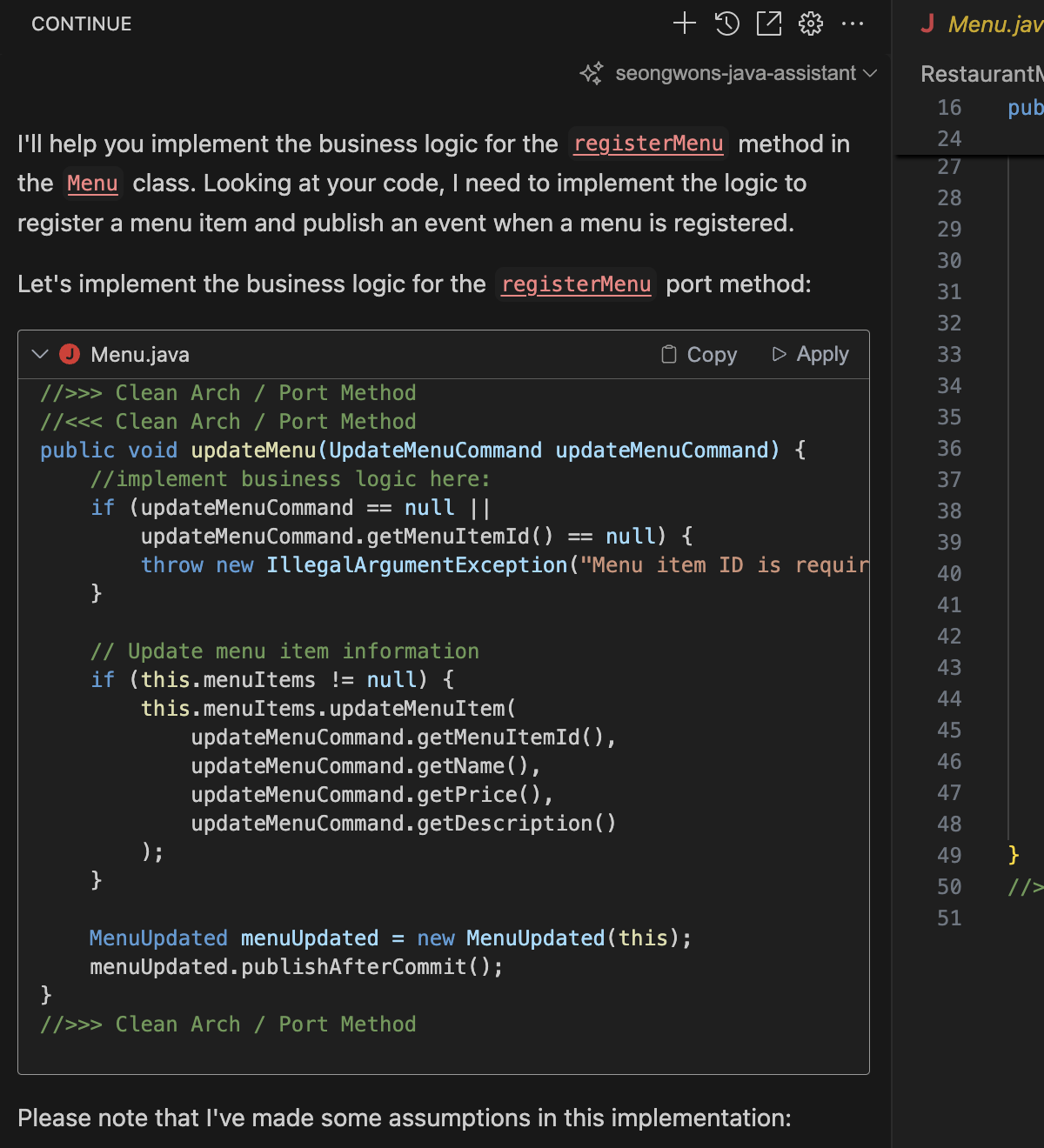
Automated Code Generation
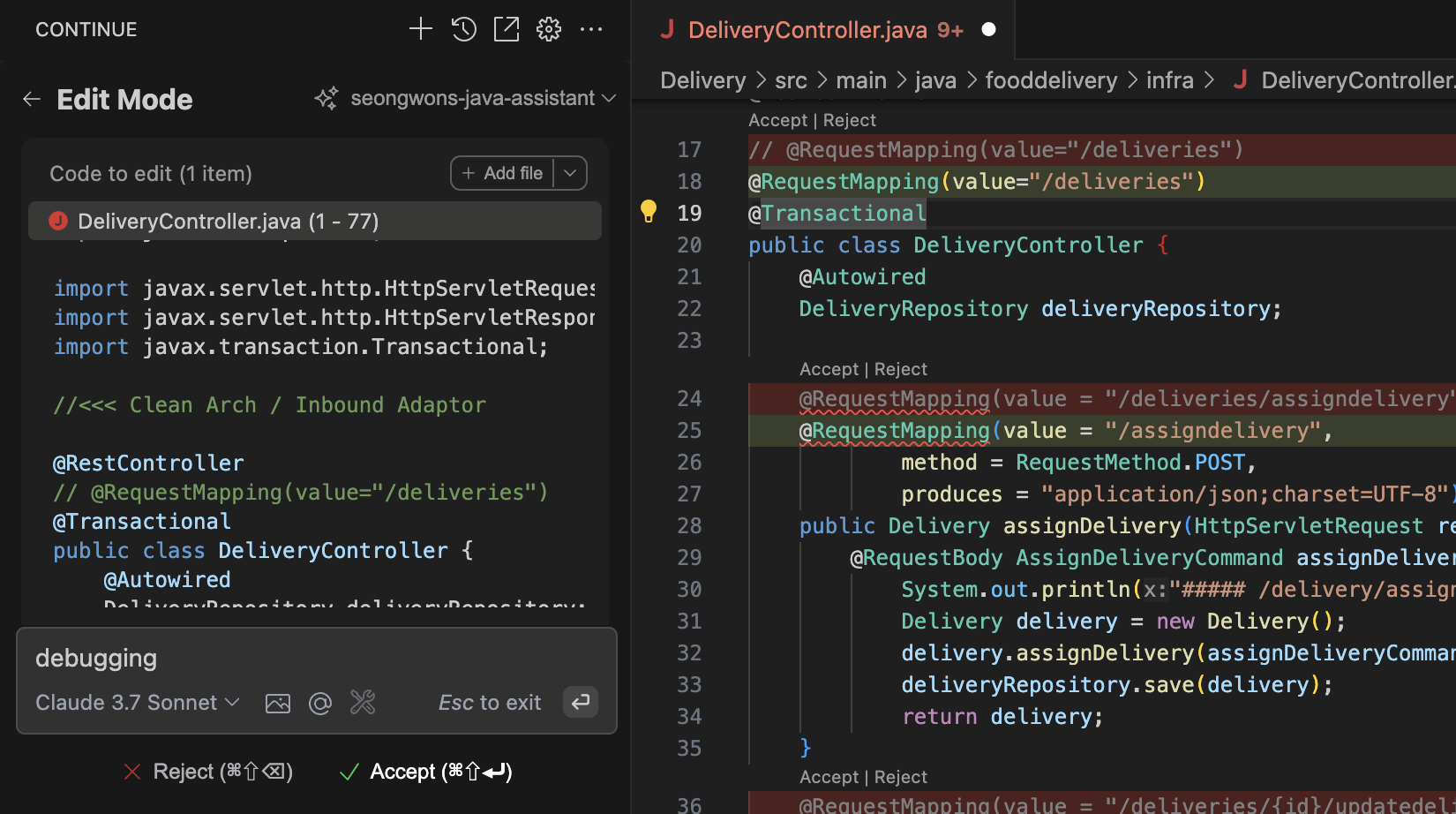
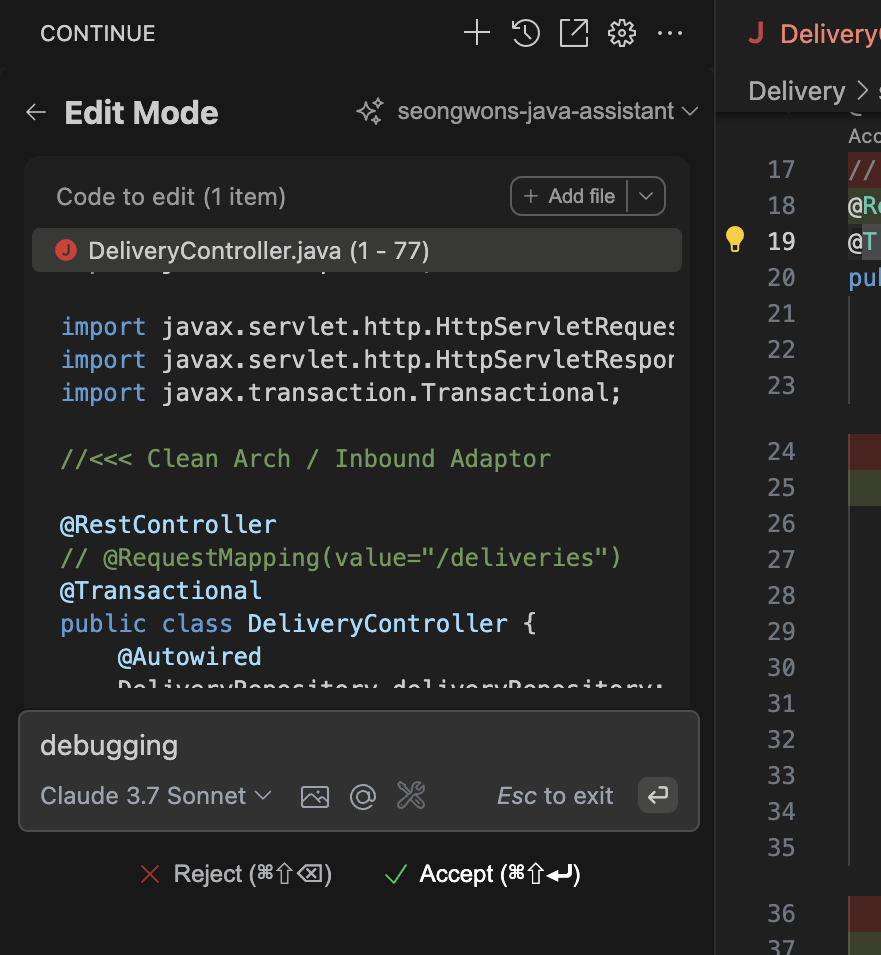
Automated Debugging
Deployment/Operations Stage
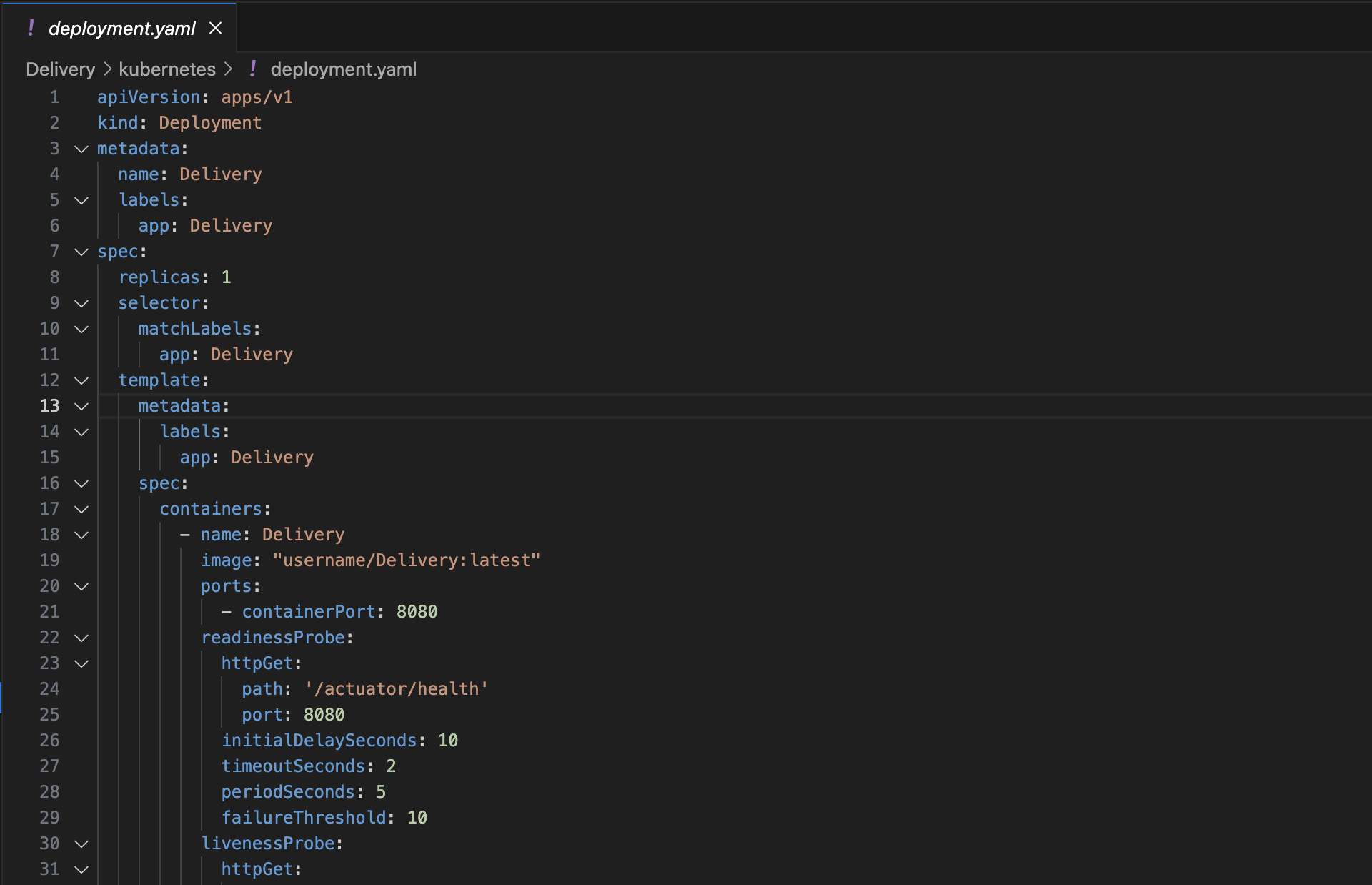
Operations Automation
Custom Environment Configuration
Review the detailed specifications available for a custom environment configuration
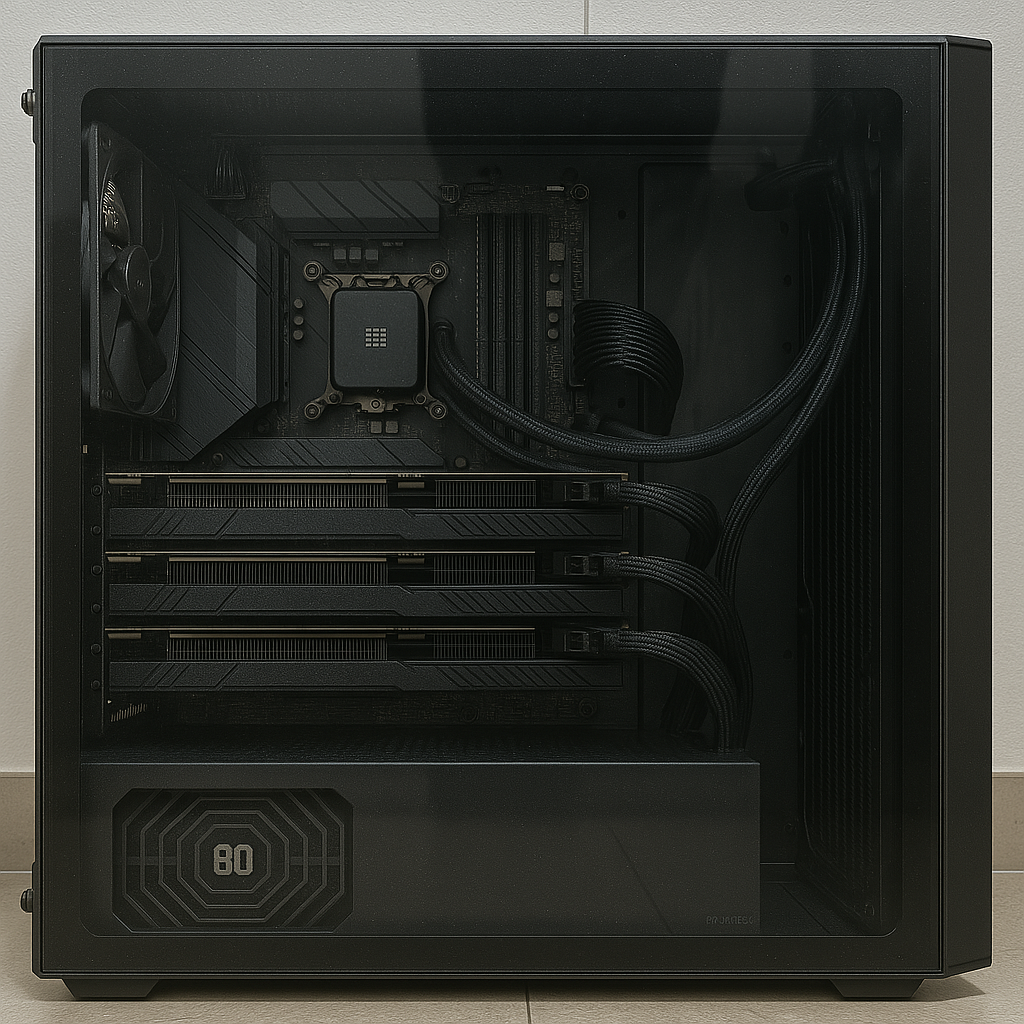
Hardware Specifications
| Item | Description | Example Options |
|---|---|---|
| CPU Class | High-end workstation-grade multi-core processor, optimized for large-scale parallel processing | Standard / Pro / Ultra |
| Memory Configuration | High-performance ECC memory, expandable to hundreds of GB | Configured to customer requirements |
| Graphics Performance | Multiple AI-optimized GPUs supported; handles training and inference for Stable Diffusion, GPT-family models, and more | Latest high-performance GPUs available |
| Storage | Ultra-fast NVMe SSD-based, designed for large AI datasets and project caches | 4TB or more available |
| Cooling System | Built-in liquid cooling solution; simultaneous CPU/GPU liquid cooling for low-noise, high-efficiency operation | High-performance industrial water pump |
| Chassis | Premium full-tower chassis optimized for expandability and airflow, supporting stable long-duration operation | Premium tempered-glass design |
| Power System | High-output PSU design with optional redundancy, ensuring stable operation of multiple GPUs in the hundreds-of-watts class | High-efficiency certified |
| Operating System | Ubuntu LTS-based Linux, compatible with all major AI frameworks | CentOS, Debian, and others available |
| AI Readiness | Environment optimized for training and inference of the latest AI models; stable throughput even with 5 or more concurrent users | Compatible with GPT, LLaMA, SD, and more |
| Use Cases | Generative AI development, large-scale code analysis, 3D simulation, video rendering, R&D | Including enterprise/institutional R&D |
| Description | Example Options |
|---|---|
| CPU Class | |
| High-end workstation-grade multi-core processor, optimized for large-scale parallel processing | Standard / Pro / Ultra |
| Memory Configuration | |
| High-performance ECC memory, expandable to hundreds of GB | Configured to customer requirements |
| Graphics Performance | |
| Multiple AI-optimized GPUs supported; handles training and inference for Stable Diffusion, GPT-family models, and more | Latest high-performance GPUs available |
| Storage | |
| Ultra-fast NVMe SSD-based, designed for large AI datasets and project caches | 4TB or more available |
| Cooling System | |
| Built-in liquid cooling solution; simultaneous CPU/GPU liquid cooling for low-noise, high-efficiency operation | High-performance industrial water pump |
| Chassis | |
| Premium full-tower chassis optimized for expandability and airflow, supporting stable long-duration operation | Premium tempered-glass design |
| Power System | |
| High-output PSU design with optional redundancy, ensuring stable operation of multiple GPUs in the hundreds-of-watts class | High-efficiency certified |
| Operating System | |
| Ubuntu LTS-based Linux, compatible with all major AI frameworks | CentOS, Debian, and others available |
| AI Readiness | |
| Environment optimized for training and inference of the latest AI models; stable throughput even with 5 or more concurrent users | Compatible with GPT, LLaMA, SD, and more |
| Use Cases | |
| Generative AI development, large-scale code analysis, 3D simulation, video rendering, R&D | Including enterprise/institutional R&D |
Benefits
Shorter Development Time
Coding speed up 55%
Development-to-deployment lead time down 55%
Fewer Errors
Unit test pass rate up 53.2%
Bug rate down 50%
Operational Efficiency
Operating costs at AI-adopting companies down up to 20%
Resource Optimization
AI infrastructure investment down 30%
Explore DreamVibe
See DreamVibe in action on video.
From natural-language-based analysis to operations, watch DreamVibe's key features and a wide range of information about DreamVibe on video.
Contact us today!
Get in touch today and experience the optimal environment for boosting AI development productivity, meeting deadlines, and raising quality for the duration of your project!
With expert technical support and custom configuration, we help you deliver your AI development project successfully.
Frequently Asked Questions (FAQ)
- Q1. Which companies or teams is this service especially suited for?
- It suits any company or team that struggles to build AI development infrastructure or to adopt the latest tools. For example, early-stage startups and SMEs can launch AI projects without investing in expensive hardware, while large enterprises and public institutions find it useful when they want to use the latest AI tools securely inside their internal networks. It is also a low-commitment option for project-based work that temporarily needs large-scale AI infrastructure (hackathons, PoCs, short-term R&D, and so on).
- Q2. What AI development tools are provided?
- A range of the latest AI development tools comes pre-installed to boost development productivity. The AI coding toolset includes the Cursor IDE, which supports code auto-completion and natural-language-prompt-based code generation, as well as MSA Easy for microservice design and CLine, an open-source autonomous coding agent. On request, we can also set up deep learning frameworks such as TensorFlow/PyTorch or data science tools such as Jupyter Notebook. If there is a specific tool or library you want to use, let us know during the consultation.
- Q3. How is security ensured?
- We provide an enterprise-grade dedicated environment designed with security as the top priority. Each customer works in an isolated dedicated server/virtual environment, and external connections are strictly controlled, with an air-gapped option available that blocks them entirely. As the service provider, uEngine Solutions also brings years of experience delivering enterprise solutions, with proven expertise in security compliance and data protection. Your source code and data never leave the environment without authorization, and at the end of the project all data is either destroyed immediately or handed over to you.
- Q4. How is the service priced?
- Pricing is set fairly based on the rental period and the environment specifications (resource scale). Options include monthly subscriptions and flat-rate billing aligned with your project period, with flexible plans so you pay only for what you use. We provide an exact quote after the consultation, and billing is transparent with no hidden extra charges. There are no setup fees or deposits, and the term can be extended or shortened as needed.
- Q5. Is there anything extra developers need to learn?
- You may worry about unfamiliar environments and tools, but rest assured: we provide dedicated training and guides. When the service starts, we run training sessions on using AI coding tools, writing effective prompts, working with automated pipelines, and more. During use, you can also ask about anything unclear and get real-time help. Most of the tools are developer-friendly, so anyone with basic programming experience can pick them up quickly, and since AI assists developers with their work, you will get comfortable fast.